
People searching for your solution will often have these key questions in their heads, in this order:
ChatGPT, Google AI Mode, Perplexity (and other search systems) make this extremely easy and fast for people to get all those answers within one view.
Here’s an example :

I could have searched for something more specific, like this, and it’s worth observing that the results can change in line with more refined AI searches:

The AI search result example above should answer that question but yes, people are time-poor and have no desire to click off to numerous websites just to shortlist those who may have experience of performing well for people within their own business sector.
Pre-2025 it was just about acceptable to click through to multiple websites. Now it’s seen as a waste of time when AI searches make it so easy to filter options down to a few.
In the scenario above, if you were an ISO consultancy who did have experience in the aerospace sector, but you hadn’t focused on that well enough in your website, then you wouldn’t show up in the search results. This is never so important as now, when Google AI Mode became available in the UK from August 2025.
If you’re not yet fully buying into this strategy, then you can focus on just one business sector to start with, see how visible that makes you in AI searches, and then scale up from there.
If you have questions about any of the following, just contact me and we can have a short (free) call that will help you to build this out effectively.
For each client listed for each sector, create the case study text for that page.
There are different ways to structure case studies and I tend to disagree with those who say you should build up a story leading to the successful conclusion – in my view that disrespects what’s initially in the head of the reader which is: “what was the outcome?”
Here’s my recommendation for the structure for the text within a case study page:
Testimonial (if available – I know they won’t always be possible, but ideal if they are).
The Solution – show the outcome of your work for the client, going into enough detail but without becoming over-enthusiastic. Provide as much information as you think the potential client will want to see.
The Challenge – you’ve already focused on the solution so this text is there purely to show what the original challenge was, described in the past tense (because it’s been solved now).
Excerpt – this is a one sentence summary of the client work, used to give people a very brief picture of the work.
That strategy may seem to be upside-down (not focusing on the challenge first), but it works.
It will take time to create all these in text format before you even start to focus on adding anything to the website.
Each sector client case study needs to be created as a case study page within your website and tagged appropriately. Taking https://www.avisoconsultancy.co.uk/case-studies/support-with-soc2-and-iso-27001-audits as an example you’ll see that it has been tagged (in WordPress in this case) as being related to the Aerospace and Defence Sector, so that it can be automatically pulled into that Sector page:

After completing this, you will have numerous case studies related to the sectors you have chosen. Here’s an example of one, but the text structure and layout will differ for each website/choice of how to order the text:

Having created the case studies you are ready to create the sectors page that will link to each of those case studies from excerpts on the sectors page …
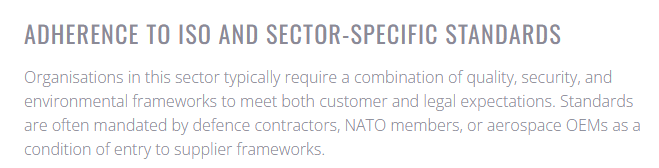
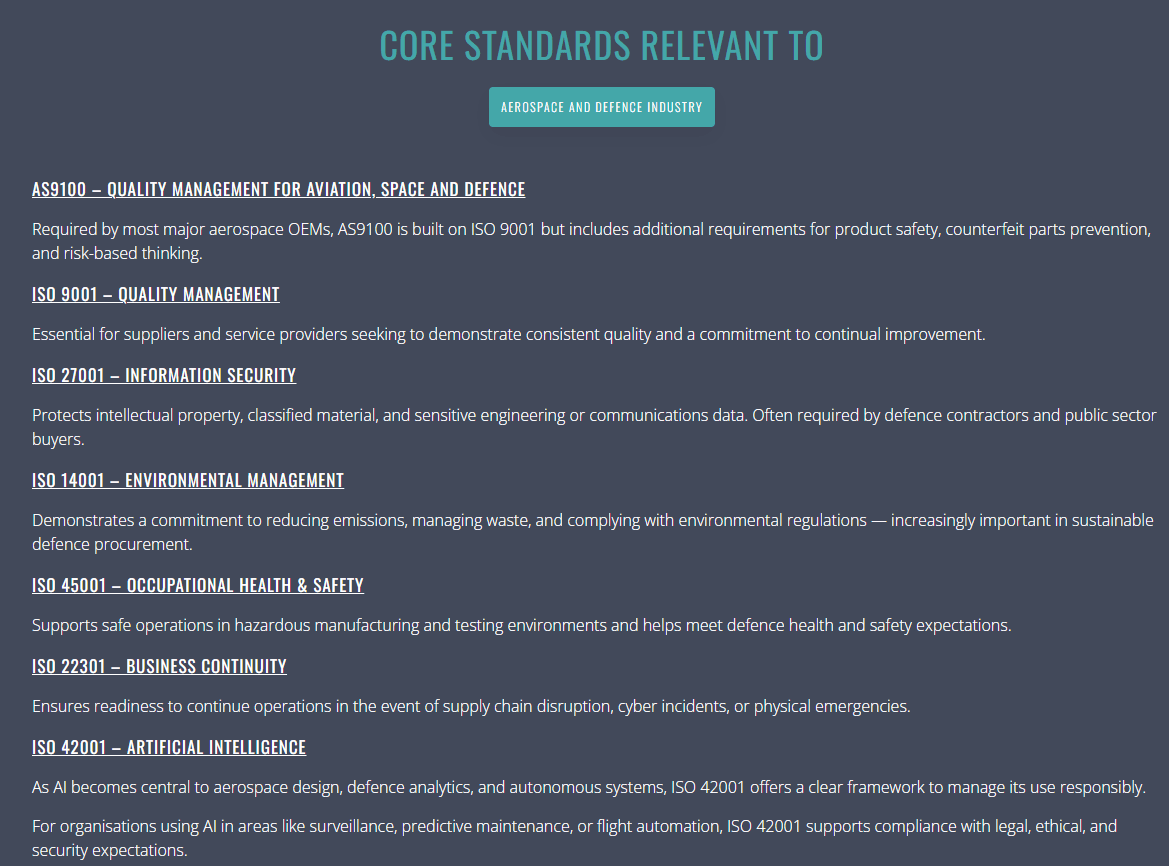
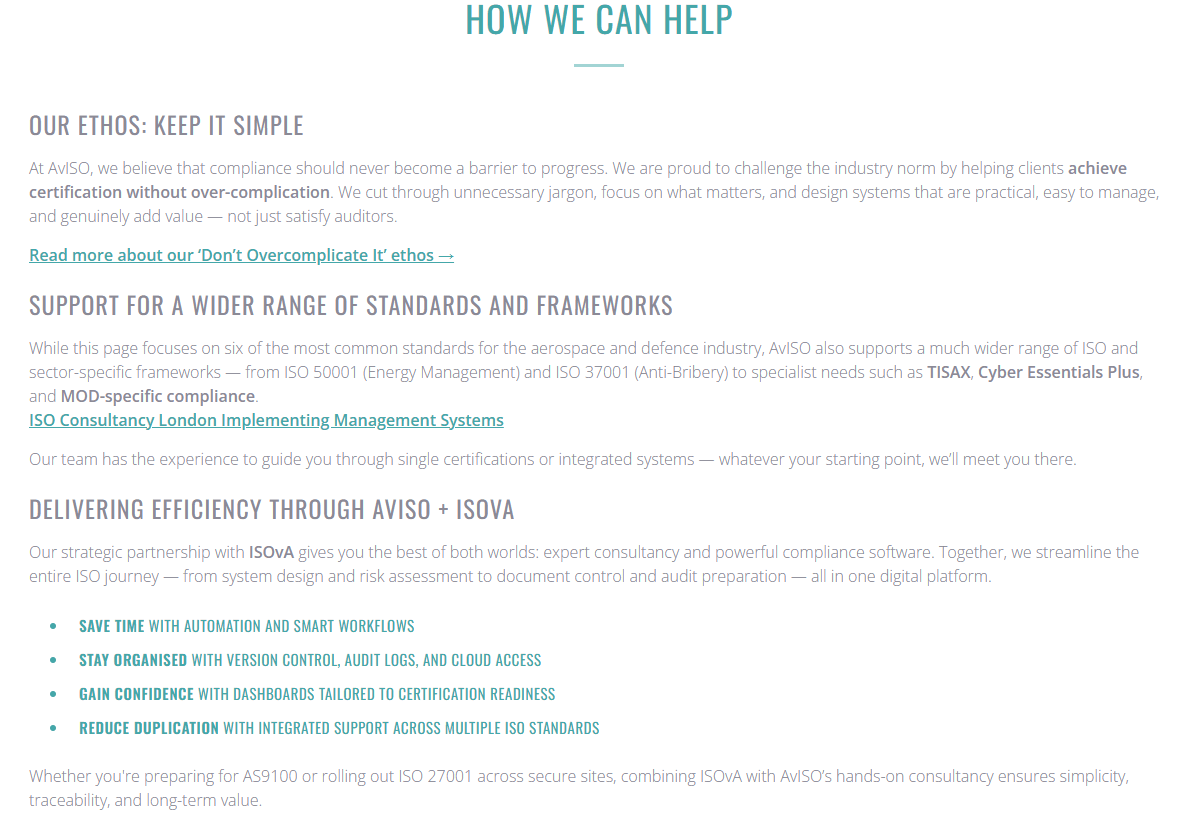
You may choose to vary the structure of your individual sectors pages but taking https://www.avisoconsultancy.co.uk/iso-certification-aerospace-and-defence-sector as an example, the recommended structure is:
For example:

This is there purely to briefly introduce the topic, both for humans and also for search/AI engines to pick up on. It shouldn’t be lengthy – most humans won’t read it because they are interested in your experience in the sector, which is the part of the page that follows.
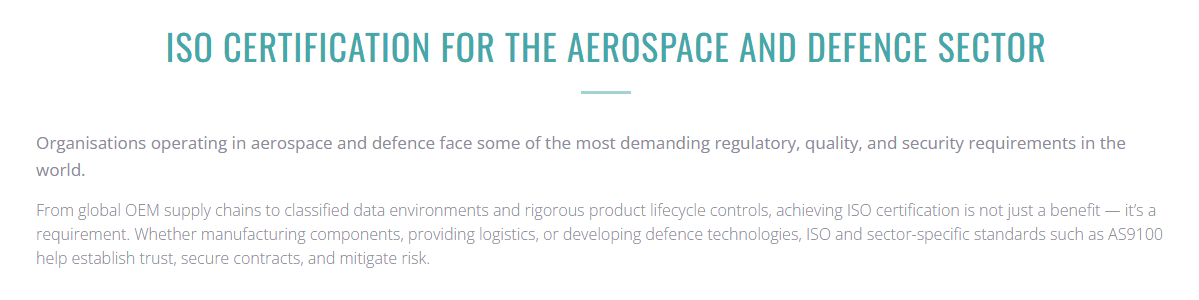
This is where your case studies pages are linked from. On this part of the page you include the logo/replacement for logo of the client, the client name (where you can), and a brief introduction to what the case study is about. Although not showing in this example, you would ideally have an additional “See the full case study” button beneath each case study excerpt:

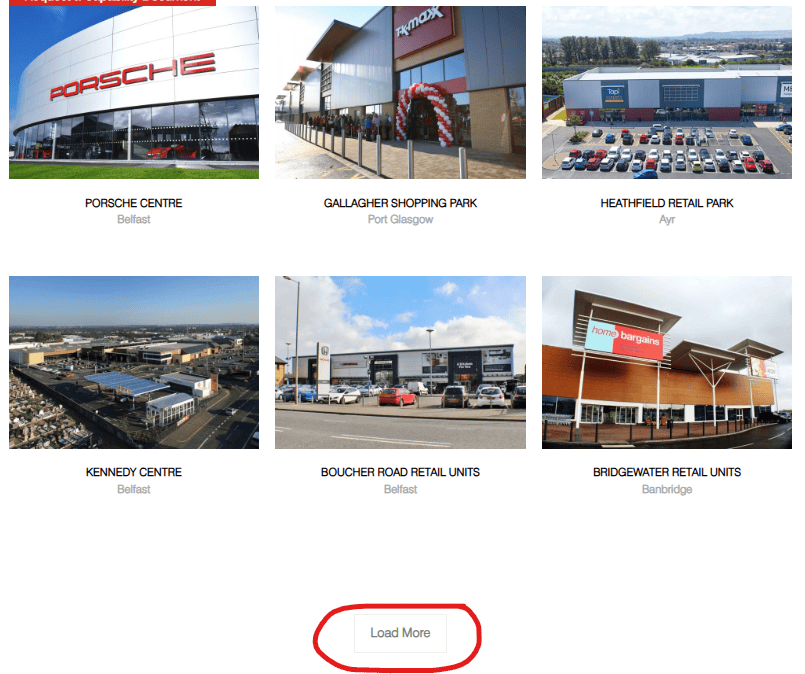
The purpose of that section of the page is to send out a clear signal that you have plenty of experience within that sector. Three examples would be the minimum but ideally you would have 6-9 case study excerpt boxes, with the option to expand more on the page. This example shows six examples with a ‘Load More’ call to action.
Atter clicking Load More, many more appear on the sectors page, which immediately impresses the website visitor, who now has the option to click through to detailed case studies that are all related to their own business sector:
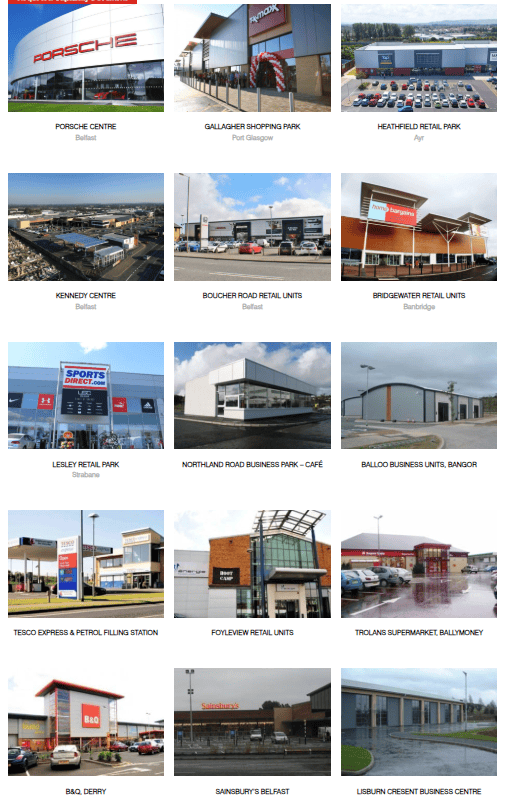
By this point, the sector page has already ticked a very important box in the mind of the website visitor – you have experience in that sector. It also ticks the box for AI/search bots, which makes it easy for them to show your page in the results when people are looking for businesses that have experience in that sector.
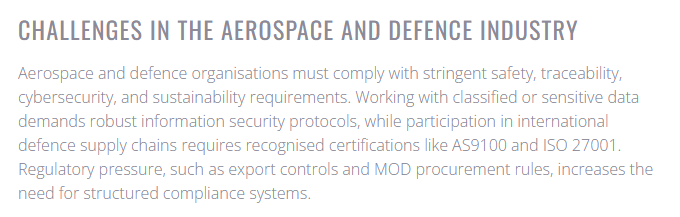
This remaining part of the page is all about going into more detail. Effectively you’re saying to the page visitor:
What’s vitally important here is to resist taking the same text used for other sector pages and applying it here with a few amendments.
The text needs to be written completely fresh, totally from the perspective of the person who works within that industry sector, including:
You’ll notice that Sectors is in the main navigation bar of this website:

It’s there to show humans and search bots that it’s an important part of the website.
It may be tempting to demote it to a sub-page (many web developers will be keen for you to minimise how much you have in your navigation bar because it ‘looks nicer’), but I recommend making it very visible.
As with case studies, services, costs and more, if it’s in your main navigation bar then it’s easy to find regardless of what website page people land on, making it easy for people to find.
As an example, say someone finds your website via a blog page (not related to their sector) and they are from within a certain sector. If they didn’t see sectors in your main navigation bar they may not think of clicking to see if you could be relevant to their needs.
Before AI-powered search became widespread, creating dedicated sector pages was already a valuable strategy for improving search visibility.
What’s changed now is how users search. People are increasingly using highly specific queries on Google and AI platforms – searches that reflect not just their needs, but also their job role or sector.
This means your potential customers are no longer just looking for general services. They have questions in their minds such as:
“What’s the best solution for accountants?”
“Which provider works well for the healthcare sector?”
“Are there options tailored to education?”
As a result, websites with clearly defined and well-optimised sector-specific pages are far more likely to appear in these targeted AI and search results.
If your competitors haven’t embraced this yet, it’s a prime opportunity to get ahead. By building out sector-specific content now, you’ll be well-placed to capture the growing number of ultra-relevant, high-intent searches that AI search engines are already surfacing.